
Repair, rebuild or replace? The real cost of keeping old equipment running
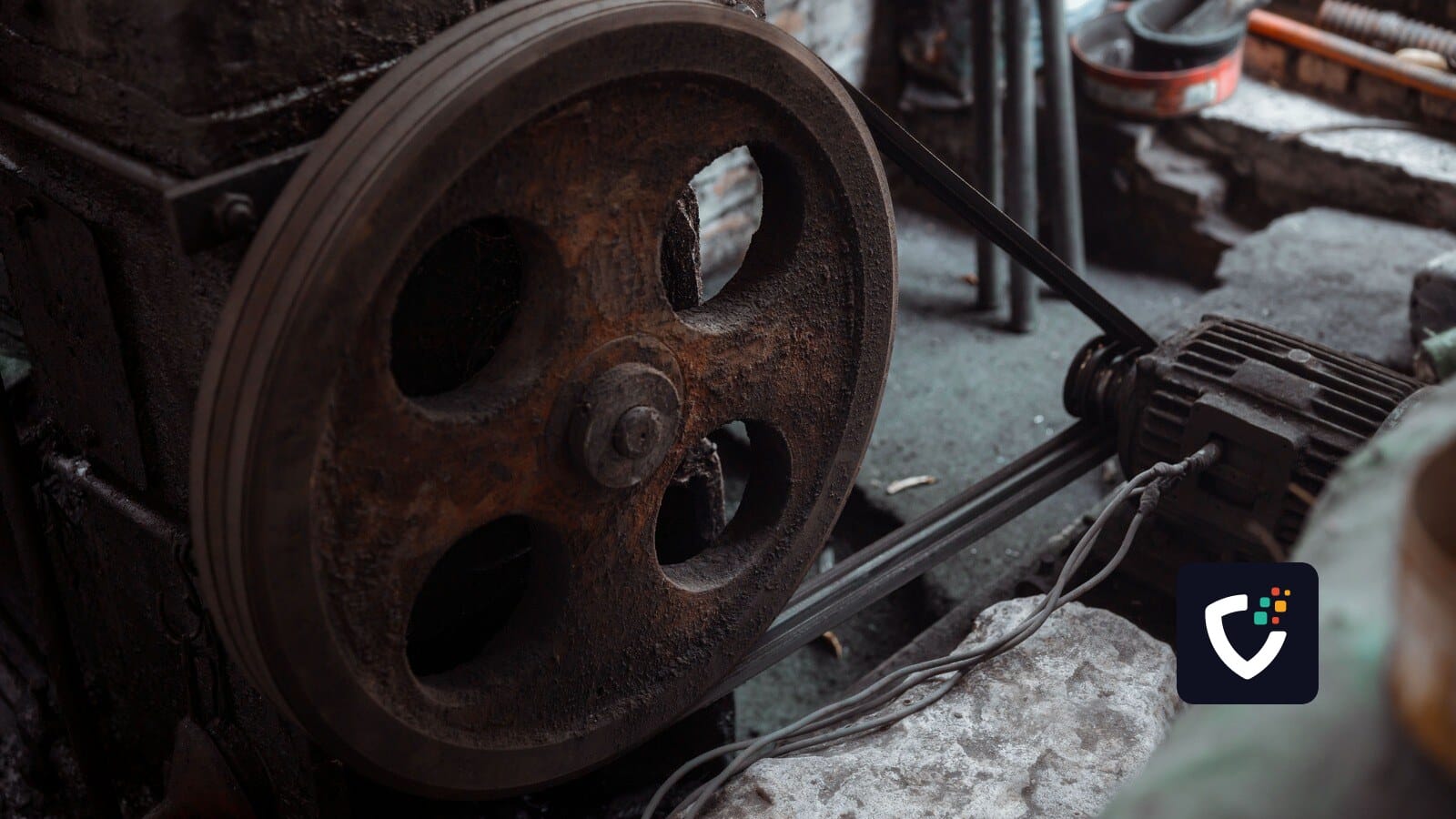
Picture a small American machine shop on a Monday morning. A familiar machine has stopped again. There is work waiting, a customer expecting a shipment and a maintenance technician who thinks the fault can be fixed.
The owner looks at the repair estimate. Someone else opens a brochure for a replacement. Within minutes, the conversation has become a contest between two persuasive sentences: the old machine is paid for; the new one will pay for itself.
Neither sentence settles much.
The old machine may have years of useful work left. The replacement may open up jobs the shop cannot currently take. Or either decision could absorb cash without solving the problem that is actually holding production back.
The interesting question is what the business needs this machine to do next, and what it will take to make that happen.
A machine can be old without being finished
Age is visible. Capability takes more work to judge.
Worn paint and a dated control panel can make equipment look overdue for retirement. Yet a machine that consistently makes the required parts, has dependable support and fits the production schedule may still be a valuable asset.
Equally, a machine that runs every day can be a poor fit for the work ahead. Perhaps the next contract requires a tolerance it cannot reliably hold. Perhaps changeovers consume the capacity the sales team thinks is available. Restoring yesterday’s performance would leave tomorrow’s problem untouched.
That distinction should come before the argument about price. Are we trying to restore a useful capability, or acquire a different one?
There is a revealing example in electric motors. An EASA/AEMT study conducted in 2019 tested ten new premium-efficiency or IE3 motors before and after rewinding under controlled good-practice procedures. The researchers reported that efficiency was maintained. Testing took place at Advanced Energy in Raleigh, North Carolina. EASA/AEMT study executive summary.
That is a specific finding about motor rewinding, not a promise that any worn machine can be restored indefinitely. It does challenge the idea that repair inevitably means accepting poorer energy performance. The condition of the equipment and the quality of the work matter.
What does “paid for” leave out?
The purchase price of an existing machine is history. Its future demands on the business are still being written.
A useful conversation includes the people who live with those demands. Ask the operator about the adjustments needed to keep parts within specification. Ask maintenance which faults are isolated and which keep returning. Ask production what happens when this particular machine is unavailable.
Those answers may point in different directions. A recurring fault might have a durable fix that has never been given a proper shutdown window. Or the shop might be relying on a scarce component and one person who knows how to coax the controls back into life.
Maintenance spending alone cannot describe that difference. A 2021 NIST study of U.S. manufacturing examined maintenance alongside consequences such as unplanned downtime and defects. Its survey comparisons are not a forecast of what replacing one machine will save, but they underline why the repair invoice is only part of the discussion. NIST research.
Be careful with the arithmetic, too. An hour of downtime is not automatically an hour of lost sales. Some work can be recovered later or moved elsewhere. Sometimes that recovery requires overtime; sometimes a missed delivery cannot be recovered at all. The consequence depends on the machine’s place in the operation.
A rebuild deserves its own conversation
Repair and replacement make an easy pair of columns. Rebuilding can disappear between them.
For a particular machine, a targeted repair might address a defined fault. A broader rebuild might restore selected mechanical systems, replace controls or recover accuracy. The labels themselves tell the buyer very little: the scope needs to say what will be inspected, renewed, retained and demonstrated at acceptance.
An attractive rebuild quote can become less attractive if everyone has a different understanding of what “like new” means. Will the equipment meet the required performance with the shop’s actual parts and operating conditions? Who is responsible for the retained components? What support follows the work?
A sound rebuild proposal should be able to stand beside a replacement proposal as a serious engineering option. It should also be allowed to lose. If the fundamental capacity or configuration is wrong for the next stage of the business, restoring it beautifully may solve the wrong problem.
The replacement has to earn its place
A new machine arrives with possibilities. Turning them into dependable output takes a plan.
Imagine the replacement reaching the loading dock on time. Where does the existing machine go? Can the floor, electrical supply and other utilities accommodate the new equipment? Who handles rigging, tooling, training and the first production runs? When will acceptable parts be ready for the customer?
These are questions to resolve in the proposal, while responsibilities can still be priced and scheduled. They also give the supplier a chance to explain what the purchase really includes.
The U.S. Department of Energy’s longstanding motor-repair guidance makes a related point at component level: compare ownership costs, including energy use, availability, mounting changes and downtime. Its historical prices, software references and regulatory discussion should not be treated as current guidance. The broader comparison remains useful. DOE Motor Repair Tech Brief.
For a machine purchase, promised capacity deserves the same scrutiny. Faster cutting will only help so much if inspection or the next operation remains the constraint. A convincing investment case explains how the additional capability becomes work the business can actually deliver.
Sometimes the right answer has two stages
A repair now and a planned replacement later can be a deliberate choice. It might keep an existing order moving while the shop prepares space, trains people and schedules installation.
The difference between that plan and endless postponement is a clear purpose and an agreed point for reconsideration. What must the repair achieve? How long is the bridge needed? Which change in condition or support would bring the decision forward? Safe operation remains a requirement throughout.
The same discipline can justify keeping a machine for years. If it continues to meet the work, has credible support and makes economic sense, longevity is an achievement worth recognizing.
Back in that imagined Monday meeting, the most useful contribution may come from the person who closes both the repair estimate and the brochure for a moment.
Before choosing what to buy, the shop needs to agree what successful production will look like. Then repair, rebuild and replacement can each make their case.
Ideally, that conversation happens while the machine is still running.
Make every report count.
Tell us what your team reports and we will show you how it works in Logincident.
Contact us