
What is the high street for now?
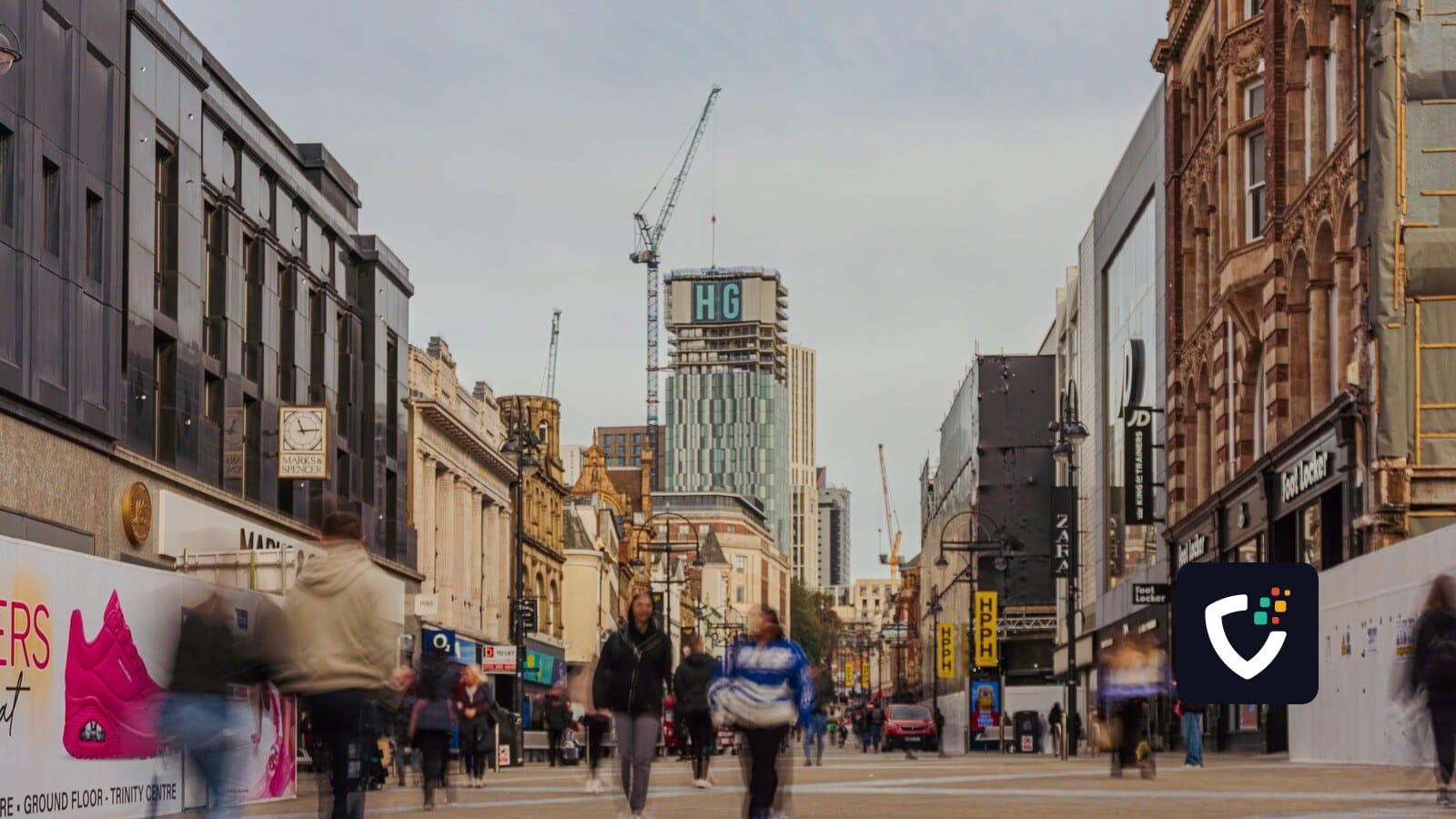
Try judging a high street at eleven on a wet Tuesday.
The Christmas lights are down. There is no food festival, launch weekend or special promotion. The place has to earn the visit on the strength of an ordinary day.
Imagine someone returning a library book, collecting a prescription and buying a birthday card before meeting a friend. None of those activities is spectacular. Together, they make a reason to come into town and a reason to stay a little longer.
That is a more useful starting point for the future of Britain’s high streets than asking whether they can recreate a shopping trip from thirty years ago.
The retail question is still there: how do shops attract customers and make a living? But it sits inside a larger one. What makes this place useful enough to become part of somebody’s week?
A shop can benefit from a neighbour that sells nothing
A library and a retailer have different purposes. One does not need to become the other for their proximity to matter.
Stockport offers a tangible example. Stockroom opened in May 2025 in formerly vacant retail units, combining a library, children’s learning spaces, archives, a café bar and an events space. The council’s account describes a town-centre destination with several uses under one roof. Stockport Council’s opening account.
That does not establish how much extra money any neighbouring shop took at the till. A successful public venue and a profitable retail business are different outcomes. The example does show how a former shopping space can give people new reasons to visit the area.
The House of Lords Built Environment Committee made a related argument in its 2024 report, High Streets: Life beyond retail? It called for a broader mix of uses, including public services and leisure, while recognising that shopping remains important. The committee’s findings.
For retailers, the interesting question is how those different visits connect. Is the useful public service somewhere people naturally pass the shops? Does it bring people at times when the businesses around it are open? Can someone comfortably combine two errands instead of making two journeys?
“Experience” can mean getting something sorted
Retail conversations can make experience sound expensive: installations, theatrical displays and events that require a production budget.
For an ordinary customer, an excellent experience might be finding someone who can explain why two apparently similar products are different. It might be trying a shoe properly, seeing the colour of a fabric in daylight or taking home the correct item without another delivery and return.
These are possibilities a physical shop can offer. They still need to be delivered well, and customers still care about price, availability and convenience.
A retailer cannot compensate indefinitely for missing stock with a pleasant conversation. Equally, a shop with a modest fit-out may offer something valuable if its staff make a confusing purchase straightforward.
That suggests a practical question for the individual business: what becomes easier for the customer because they came here?
The answer may help a retailer choose what to invest in. A fitting area, useful product knowledge or a reliable collection arrangement might matter more to its customers than an elaborate event. Another business may find that demonstrations or evening activities suit its audience perfectly. The point is to start with the customer and the kind of visit the shop can serve.
The journey is part of the offer
An attractive destination is less useful if reaching it or moving around it is difficult.
Living Streets’ Pedestrian Pound review makes the case for better walking and wheeling environments, drawing together evidence on the relationship between streets, local business and community life. Its findings support taking the public realm seriously, rather than treating it as decoration around the real business of retail. Living Streets’ research.
There is a simple way to make that conversation concrete. Imagine the same trip with a pushchair, with limited mobility, while carrying a bulky purchase or after an evening appointment. A route that feels easy in one situation may be awkward in another.
People arrive by different means, and businesses need deliveries. A workable local plan has to consider those needs together. A retailer’s concern about access deserves a specific answer about how customers and goods will reach the premises.
So does the experience after arrival. Being able to rest, find the next destination and cross a street comfortably can influence whether a visitor carries on or heads home. Those small decisions accumulate into the character of a place.
A busy day is not a business model
A successful festival can introduce people to a town. It does not answer what happens the following Tuesday.
For a shopkeeper, the important issue is whether the visitors include people likely to want the offer, whether they can find the business and whether serving them produces enough margin to sustain it.
Public spaces have value even when people do not spend. But a commercial tenant still has wages, rent and other costs to meet. A credible high-street conversation must leave room for both realities.
It should also resist making every independent retailer responsible for organising the town’s social life. A small team may already be stretched serving customers. Coordination between landlords, businesses, public services and local organisations can create opportunities that one shop could not support alone.
That might mean aligning an event with opening hours, making the route from a new facility clearer or testing an activity before committing to a permanent change. These are possibilities to investigate locally, not a formula that every town should copy.
Give people a reason to return
There is no single ideal high street. A market town serving nearby villages has a different job from a city neighbourhood or a seaside destination. Its useful mix will reflect the people around it.
The future can still include excellent shops. They may sit alongside learning, services, food, culture and places where spending money is optional. The task is to make those uses work together without assuming that one attractive building will solve every commercial problem.
Return to that wet Tuesday. A customer has bought the card, collected what they needed and stayed for a conversation they would not have had at home.
The town has become a little more useful to them. That is a reason to come back.
Make every report count.
Tell us what your team reports and we will show you how it works in Logincident.
Contact us