
A quiet hour is a start. What about the other hours?
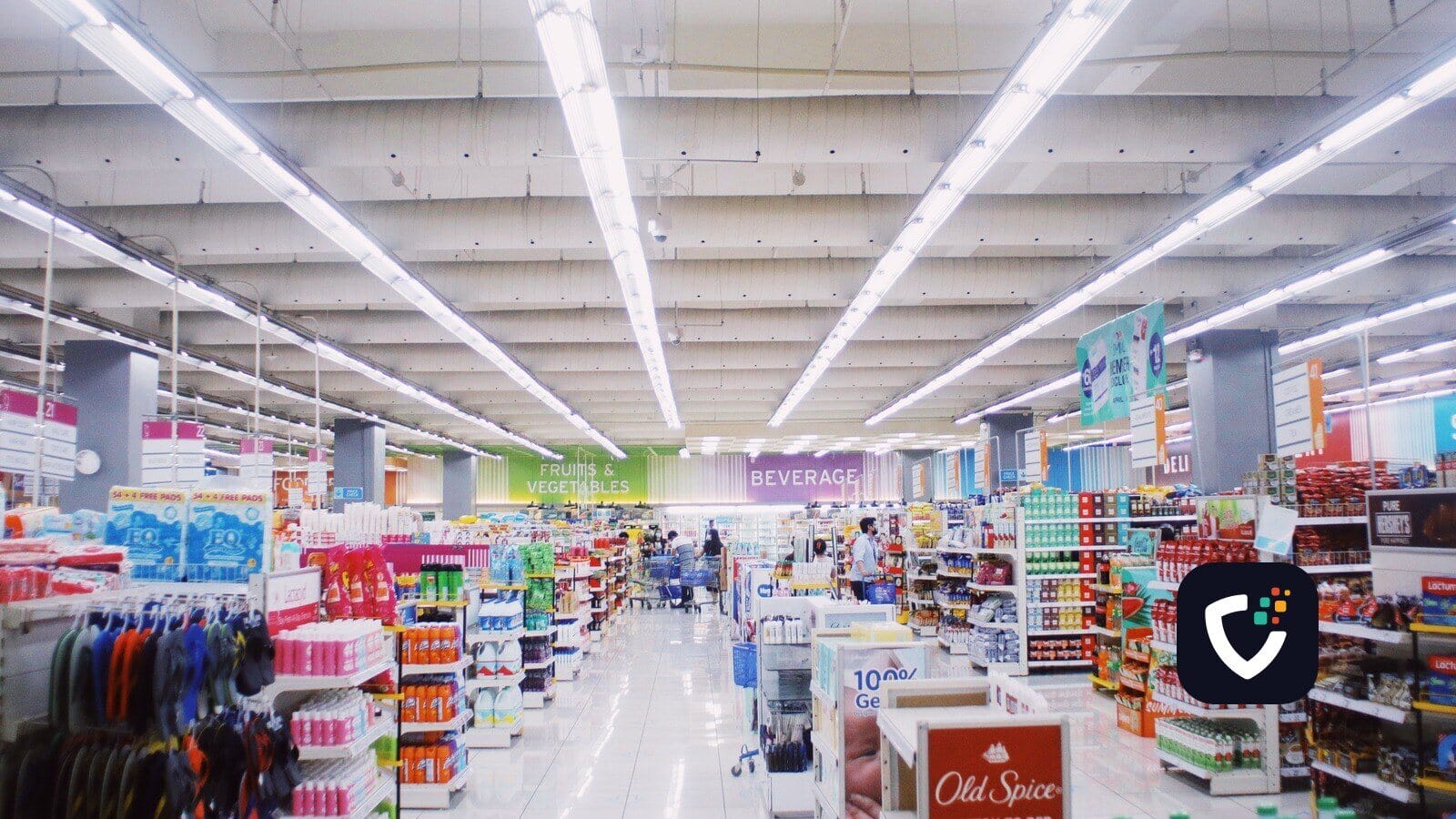
Imagine a shopper arranging the day around a quieter session at a local store. The timing works, the journey is manageable and the promise of less noise makes the visit feel possible. Then a delayed bus uses up most of the hour before the shopper reaches the door.
The quieter session has not failed by existing. It may be the reason this person considered coming at all. But the scene raises a larger retail question: how much of the welcome depends on arriving inside a narrow window?
Quiet hours can be a thoughtful, practical improvement. Their most interesting contribution may be what they teach a business about the rest of the shopping experience.
Keep the useful thing, then ask the next question
There is a good reason to make space for calmer shopping. The National Autistic Society describes how light, noise, crowds and other sensory conditions can make public environments difficult for some autistic people. Its guidance includes quieter sessions among a range of possible adjustments. National Autistic Society, accessible environments.
This is an established idea rather than a hypothetical retail experiment. In May 2021, the charity reported that The Entertainer had extended its quiet hour to the first hour of opening each day, alongside staff training. That is a dated example of an initiative, not an independent evaluation or a promise about every store’s current timetable. National Autistic Society, May 2021.
The useful response is to build on such efforts. What has the session revealed about controllable noise? Which changes could work at other times? What have staff learnt from the people using it?
A quieter session can be both valuable in its own right and a starting point for improvement. Those positions are entirely compatible.
The danger comes when the existence of the session is allowed to answer every other question about access.
The visit starts before the entrance
A retailer may think of the customer journey as beginning when someone steps inside. A customer deciding whether the trip is workable has already been doing part of that journey at home.
The information matters: what the quieter session changes, where the entrance is, how to find help and whether a facility is available. A general statement that a business welcomes everyone may be warm, but it leaves practical questions unanswered.
Euan’s Guide’s 2024 Access Survey, published in February 2025, illustrates this wider problem. Its question to respondents who had used a venue’s website to check disabled access was whether they had ever found the information misleading, confusing or inaccurate. Seventy-seven per cent said they had. This was a voluntary access survey across venues and experiences, not a representative estimate of all UK shoppers or a survey specifically about autism. Euan’s Guide, Access Survey 2024 results.
The figure is a reason to take information seriously, not a sales forecast. For an individual shop, the useful test is whether its description helps a person decide for themselves.
Being specific about what is available also means being honest about limitations. A clear explanation gives the customer more agency than a broad promise the store cannot reliably keep.
Customers do not share one sensory profile
A quieter store will not be the answer to every person’s needs. The National Autistic Society explicitly notes that autistic people have individual preferences and support needs. Its guidance on predictability makes the same point while explaining why knowing what will happen can matter. National Autistic Society, preference for order and predictability.
That should discourage the search for a single ideal customer profile.
The retail question is how to offer useful choices and clear information without making assumptions about the person at the till. Someone may want assistance; someone else may want time and space. A customer should not have to fit a stock image of disability before their request receives an ordinary, respectful response.
There can also be practical tensions between adjustments. A change that suits one shopper may be unhelpful to another. Staff need a way to listen and respond, and the business needs input from people with different experiences when reviewing its approach.
That is a more demanding task than choosing a reassuring label. It is also more likely to produce changes people can actually use.
A promise has to reach the whole shift
Consider a second hypothetical scene. The website advertises the quieter session correctly, but the colleague covering the floor has not been told what changes during it. A demonstration starts. A shopper asks a question. The colleague wants to help but does not know what has been promised.
The failure here is organisational. It is unreasonable to make the colleague improvise the entire service at the moment a customer needs it.
A store can examine how an initiative reaches people working different shifts, temporary staff and anyone responsible for activities that affect the environment. The practical detail will depend on the business. The principle is that a public promise needs an operating arrangement behind it.
The same applies when circumstances change. Equipment can fail, a layout can move or a planned session can be disrupted. There needs to be a way to communicate the change and help customers understand their options.
Consistency does not require pretending that nothing unexpected will happen. It requires deciding how the business will respond when it does.
That response can be a revealing part of whether a customer feels welcome.
Listen beyond the people who manage to come
A successful quieter session provides useful feedback from the people attending. It cannot, on its own, explain the experience of people who cannot use that time or who abandoned the idea of visiting.
For a retailer, this creates a familiar research blind spot. The easiest customers to hear from are often the ones already inside the business.
A broader conversation could involve local disabled people’s organisations, autistic customers and people with different access requirements. Participation should be voluntary, accessible and properly recognised, rather than an expectation that a customer will provide unpaid consultancy during a shopping trip.
The questions can remain concrete. What makes the visit hard to plan? Where does the published information leave uncertainty? Which change would make the most useful difference? What works well enough to preserve?
This does not mean promising every requested change immediately. Cost, space and the needs of other users can require careful decisions. It means having a better basis for those decisions than assumptions made entirely inside the store.
For a small retailer, a manageable first step may be improving one unclear piece of information or resolving one recurring obstacle, then checking whether the change helped.
A welcome should offer more freedom
Return to the shopper and the delayed bus. There may be no way for a single retailer to prevent that delay. There may be several ways to make the rest of the visit less dependent on everything going perfectly.
A quieter session is worth keeping where customers value it. Clearer information, prepared staff and a better understanding of the whole visit can extend what the business learns from it.
The ambition is not a shop that claims to suit everyone in exactly the same way. It is a shop that gives more people a realistic choice about when and how to use it.
When the quiet hour ends, which parts of the welcome stay?
Make every report count.
Tell us what your team reports and we will show you how it works in Logincident.
Contact us