
The sale isn't over when the package arrives
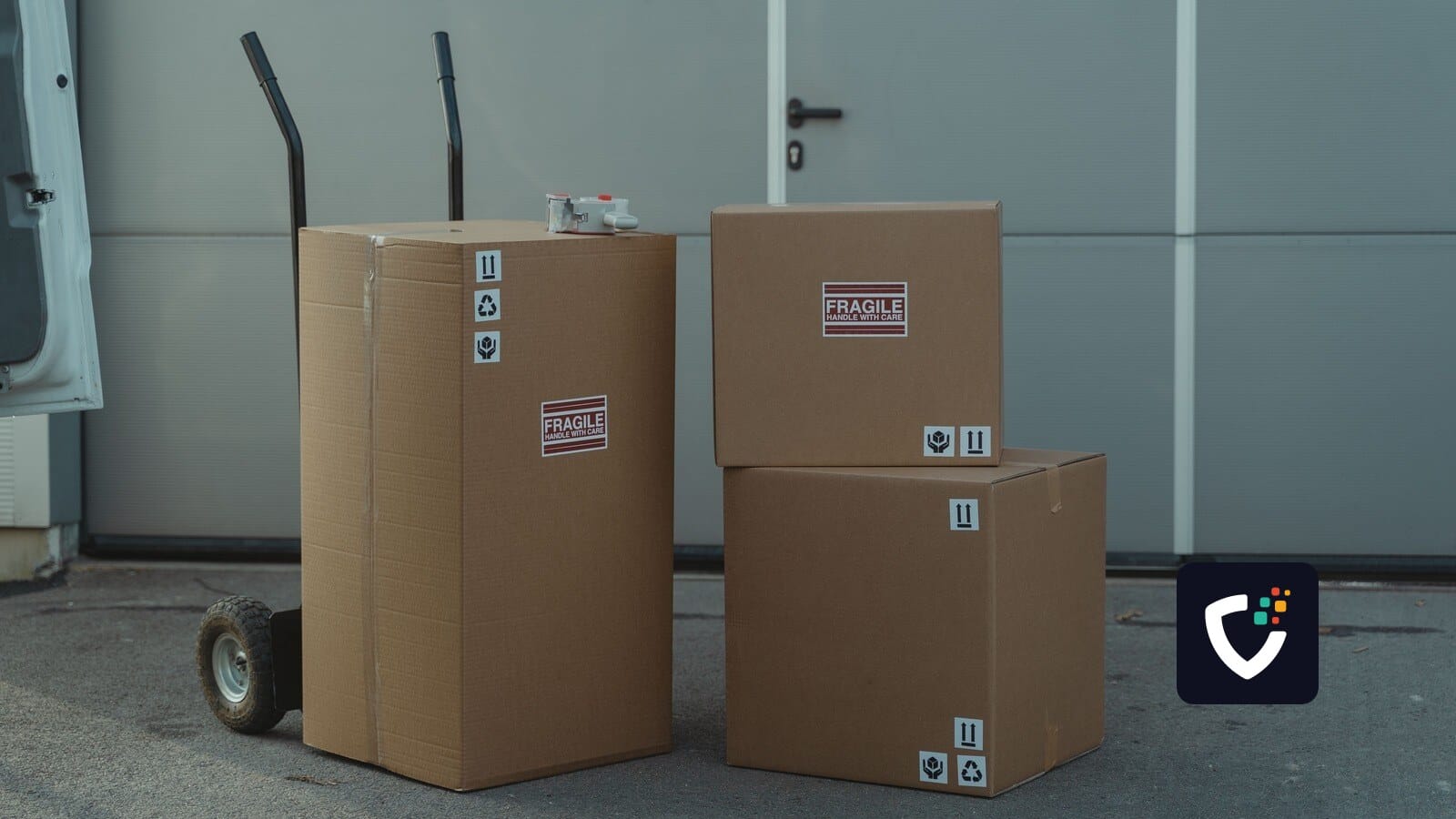
Imagine ordering a jacket for a trip. It arrives on time, looks like the photographs and feels well made. Then you try it on. The fit is wrong.
Up to that moment, the retailer has done almost everything right. What happens next may shape your memory of the purchase more than the delivery did.
Can you understand the return options? Is the nearest drop-off practical? Will you receive money back or store credit? When will you know the return has been accepted?
For American retailers, those questions belong in the design of the shopping experience from the start. A return is one of the moments when a reassuring promise on a website has to become a real service.
It is also the moment a product begins a second journey, with costs and decisions of its own.
The return starts before checkout
Someone buying an unfamiliar size or trying a new brand is making a decision under uncertainty. A clear return policy can make that decision feel more manageable.
In the National Retail Federation and Happy Returns’ 2025 research, 82% of surveyed consumers cited free returns as a major consideration when purchasing. The consumer sample comprised people who had returned at least one online purchase in the previous year, so the finding should not be read as a survey of every American shopper. NRF’s findings and methodology.
The finding gives retailers a reason to pay attention. It does not prove that the most generous possible policy is the most profitable one.
An independent specialist and a national chain may have very different capabilities. A retailer selling bulky furniture faces a different practical challenge from one selling T-shirts. The useful ambition is a promise that customers can understand and the business can consistently deliver.
That starts with making the terms visible while the customer is deciding, including any fees and important exceptions. A policy discovered only when something goes wrong is a poor foundation for trust.
Convenience now has several possible shapes
Returning a product need not mean finding a shipping box and starting over at the kitchen table.
Target, for example, offers returns through its Drive Up service. Its published process allows customers to start a return in the app and have the items scanned at their vehicle. It is a concrete example of a retailer extending a familiar service to the return journey. Eligibility and the retailer’s terms still matter. Target’s Drive Up information.
That is one option, not a model every business needs to imitate. A customer near a store may prefer a counter where someone can help with an exchange. Another may need a convenient mail route because the nearest branch is a long drive away.
The important detail is the handover. Does the customer leave knowing what has happened and what will happen next?
Consider the imagined jacket. Being able to hand it over easily is helpful. If the customer then spends days trying to establish whether the refund is moving, the uncertainty has merely changed location.
Clear confirmation and realistic timing can be as much a part of convenience as the drop-off itself.
The item needs a destination too
From the customer’s perspective, a return may end when the refund arrives. For the retailer, someone still has to decide what the item is and where it can go.
An unopened product, a garment with a missing tag and an item that has failed in use present different questions. A route suitable for one may be wrong for another. Condition, category requirements and the economics of handling all matter.
There are businesses building explicit routes for products to circulate again. Patagonia buys back eligible used gear for credit, and its Worn Wear marketplace resells it. Trade-in is distinct from returning a recent purchase for a refund; it shows a deliberately designed route for suitable items rather than the fate of all returns. Patagonia Worn Wear.
The wider editorial question is whether the retailer has thought through the product’s next destination with the same care as the customer’s first delivery.
Resale can be an option. It is not a universal answer, nor does a resale listing alone demonstrate an environmental saving. Products need to be suitable, accurately described and wanted by another buyer. The work and movement involved still count.
Prevent the disappointing purchase where possible
There is another place to improve the return experience: before the customer needs one.
For the jacket, could the product page explain fit more clearly? Would a useful measurement or a photograph showing the garment on a person help? If customers repeatedly misunderstand a feature, is the description doing enough work?
For another category, the missing information might be an installation requirement, compatibility detail or the space needed to use the product. These are questions a retailer can explore with customers and staff. They are not a promise that better content will eliminate returns.
Some purchases will still disappoint. Some products will be faulty. A healthy discussion leaves room for legitimate returns even while trying to avoid unnecessary ones.
Fraud needs attention too, but treating every customer as a suspect can create a different problem. The challenge is to apply appropriate checks with clear explanations and a workable way to resolve mistakes. This is a service-design principle, not a recommendation for a particular fraud-screening system.
Give the person at the counter a workable promise
The employee handling a return stands where several decisions meet: the advertising, the policy, the customer’s expectations and the condition of the product.
If those decisions conflict, the conversation becomes harder for everyone. A promise made online may need a store process, enough space and a clear route for questions that the frontline employee cannot settle alone.
That makes returns a subject for the whole retail operation. Buying, merchandising, stores, fulfillment and customer service each influence what comes back and how it is handled.
The imagined jacket may eventually reach a customer it fits. The original buyer may choose another size, try again later or go elsewhere. No return policy can guarantee loyalty.
But a retailer can aim to leave that person with something valuable: confidence that buying from the business was a reasonable decision, even though this particular purchase did not work out.
Make every report count.
Tell us what your team reports and we will show you how it works in Logincident.
Contact us