
A stronger roof changes the insurance conversation
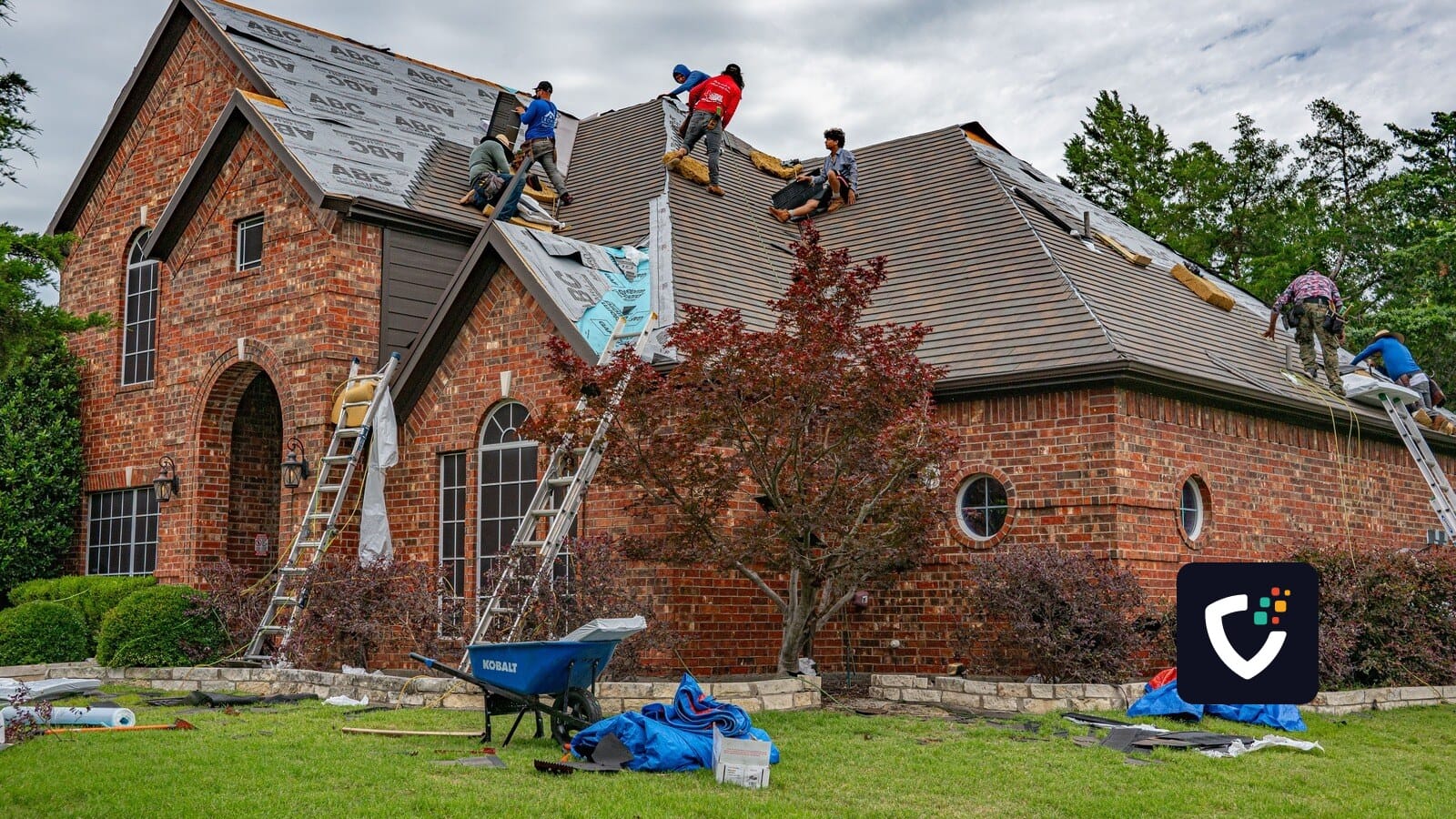
From the driveway, two new roofs can look almost identical.
Imagine an American homeowner comparing quotes. Both offer the same shingle color. Both promise a tidy finish. One includes additional work that will largely disappear beneath the surface, along with an inspection and documentation process.
It is reasonable to ask what the difference buys.
For insurers, that is becoming an interesting question too. If changes to a building can reduce damage, how should the insurance system recognize them? And how does a homeowner know which improvements count, before spending the money?
The discussion around stronger roofs brings those questions down to a part of the house almost everyone can picture, but few people can assess from the curb.
The important difference may be underneath
FORTIFIED is a voluntary construction and reroofing program developed by the Insurance Institute for Business & Home Safety, or IBHS. Its roof requirements address features such as attachment, roof edges and reducing water entry if the roof covering is damaged.
It is a system, rather than a premium shingle with a reassuring name. The intended performance depends on the work being designed and installed to the relevant requirements. IBHS’s FORTIFIED Roof overview.
That is why the distinction matters at the quotation stage. A homeowner comparing two surface finishes may miss the work that differentiates the proposals.
The contractor’s explanation needs to make that work understandable without promising an indestructible house. The insurance conversation then needs to establish whether the completed project will meet the conditions for any recognition under the particular policy.
Those are connected questions, but they are not the same question.
A real storm supplied useful evidence
Hurricane Sally struck Alabama in September 2020. A study published in 2025 by the Alabama Department of Insurance and the University of Alabama’s Center for Risk and Insurance Research examined more than 40,000 wind-peril policies for owner-occupied, single-family homes in the affected area.
The researchers found lower claim frequency and damage severity for FORTIFIED homes than conventional homes across their analyses. The sample included FORTIFIED Roof and Gold designations, and some analyses excluded tree-fall claims or matched nearby properties to improve comparability. The study report.
That is meaningful evidence from actual losses. It is also bounded evidence: one storm, particular homes and different designation levels. It does not provide a guaranteed reduction for every roof, insurer or future hurricane.
The broader question it makes possible is a useful one. Could spending before a storm reduce what households and insurers have to deal with afterwards?
A discount is not the whole insurance bill
North Carolina’s Department of Insurance explains that FORTIFIED includes inspection and verification, and that using the program could mean eligibility for mitigation credits from a homeowners insurer. The word “could” matters. North Carolina insurance guidance.
IBHS likewise notes that insurers sometimes offer discounts on the wind premium. That is not necessarily a discount on every component of the total bill. FORTIFIED insurance and designation FAQs.
For the homeowner comparing quotes, a useful next conversation is specific: what would this insurer recognize on this home, what evidence would it need and how would that affect the quoted coverage and premium?
An attractive percentage can mislead if its basis is unclear. So can comparing policies with different deductibles or protection as though price were the only thing that changed.
Even where an improvement earns a credit, it does not establish what the total premium will be at a future renewal. Nor does designation itself guarantee that an insurer will offer or renew coverage.
Those limits do not make mitigation unimportant. They make a clear explanation important.
Upfront cost changes who can participate
A homeowner may understand the potential benefit and still struggle to fund additional work.
That makes the timing of replacement and the design of support programs part of the industry conversation. If a roof is already due for replacement, there is an opportunity to discuss the scope before the job is agreed. If the existing roof has useful life left, the decision is different.
North Carolina’s Insurance Underwriting Association provides one targeted example through its Strengthen Your Roof grant program. Its published terms limit the program to eligible policyholders and specified coastal locations, with a finite allocation of grants. It is not a benefit available to every homeowner in North Carolina or across the country. Strengthen Your Roof eligibility and terms.
For policymakers and insurers, the question is how such support reaches households that could benefit, including those least able to absorb another upfront expense. Clear information helps, but information alone does not pay for a roof.
For an individual project, timing matters too. Grant approval, eligibility, contractor selection and documentation requirements need to be understood before assuming that planned work will qualify.
Verification is part of the value
Much of a roof becomes difficult to inspect once the covering is complete. A promise that the work was done is different from a documented designation process.
IBHS says a FORTIFIED designation is issued after review of documentation from a FORTIFIED Evaluator. Initial certificates expire after five years, with a redesignation inspection needed to maintain the designation. It is an ongoing status, rather than a label to forget once the project is finished. IBHS designation guidance.
The practical question for the industry is whether the homeowner leaves the project understanding what they have, which documents matter and what happens later.
That is where contractors, evaluators and insurance representatives can make the process easier to navigate. Each has a different role; the homeowner needs those roles to join up.
Start with a stronger house and an honest promise
Roof resilience cannot solve every source of property damage. Wind-driven rain is not the same hazard as rising floodwater, and a stronger roof is not a complete answer to a falling tree or every form of severe weather.
It also cannot resolve every reason an insurance market becomes difficult for households.
Its contribution is more tangible: a way to improve a vulnerable part of a building, supported by a defined process and evidence that can inform insurance decisions.
Back in the driveway, the two roofs may still look much the same. A better conversation allows the homeowner to understand what sits beneath the surface, what recognition is available and what remains uncertain.
That is a useful place for insurance to meet construction: before the storm, while choices can still change the outcome.
Make every report count.
Tell us what your team reports and we will show you how it works in Logincident.
Contact us