
The truck is on time. The load isn't ready.
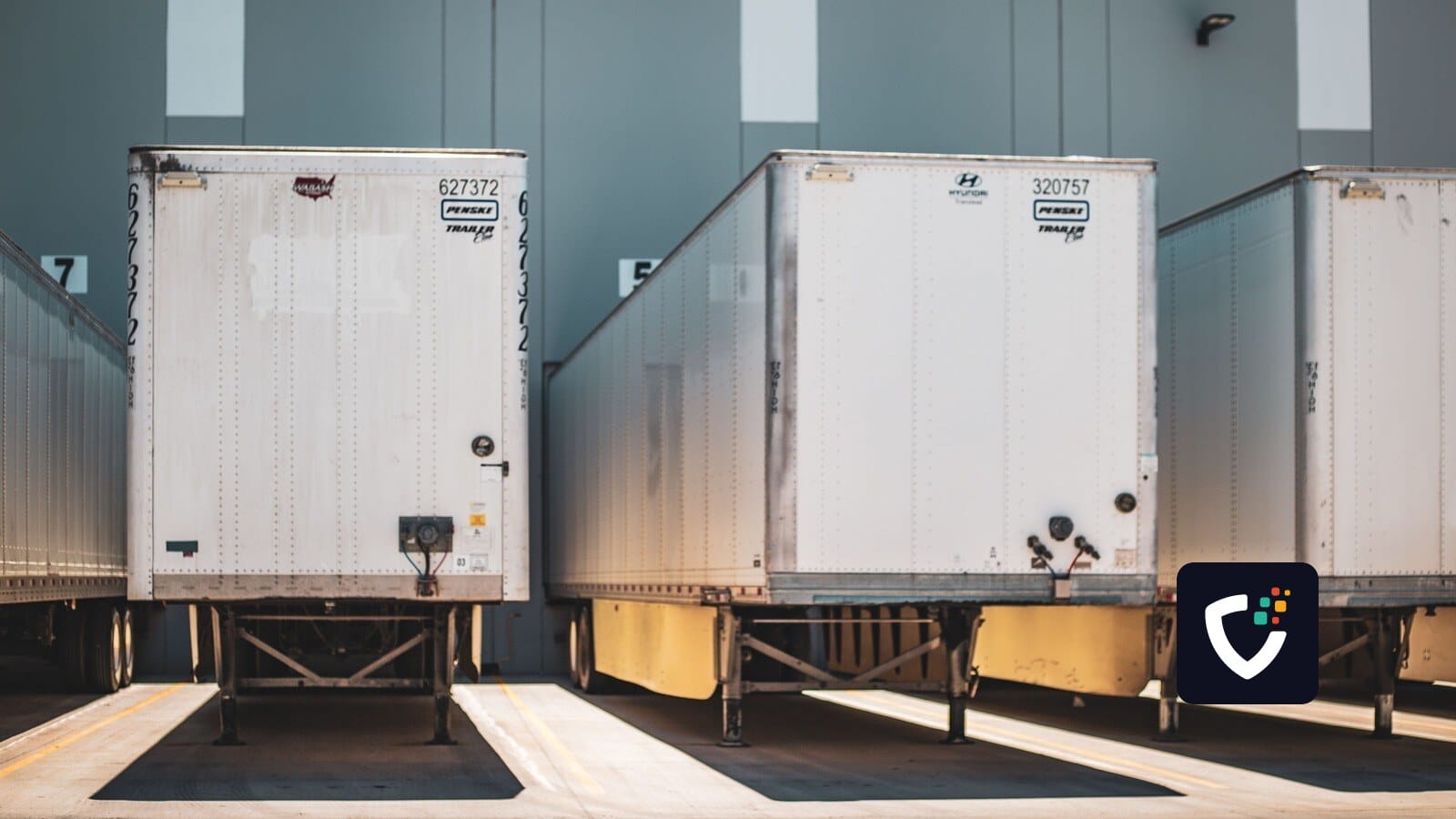
Picture a driver arriving for a scheduled pickup. The appointment is correct. The truck is where it should be. The freight is not ready to move.
For the facility, this may be one delay in a complicated day. For the driver, it becomes the next part of the day: waiting, checking, recalculating what can happen afterward.
The wheels have stopped. The consequences have not.
American logistics is good at talking about movement. Truck driver detention asks an equally important question about stillness: whose time is being consumed when freight cannot move, and who has the ability to change it?
Waiting is part of a system
Not every minute at a loading dock is wasted. Freight has to be handled, checks completed and work carried out properly. Faster is not automatically better if it means rushing tasks that require care.
The distinction is between necessary work and avoidable delay. It is also more difficult to measure than a simple arrival-to-departure total suggests.
FMCSA’s detention research page identifies this problem directly: earlier studies could not adequately separate ordinary loading and unloading from delay. The agency describes work intended to improve that understanding. That description is a research objective, not a newly completed national finding. FMCSA detention research.
For a shipper or receiver, the distinction matters operationally. A truck being actively unloaded is not in the same situation as one waiting because the goods have no available destination inside the building.
Both occupy time. They call for different responses.
The appointment is a promise between businesses
An appointment can look like a precise commitment while concealing several assumptions. The freight will be ready. The right people will be available. The preceding job will finish as expected. There will be somewhere for the goods to go.
When one assumption fails, the vehicle at the gate becomes a visible buffer for a problem elsewhere.
That does not mean the warehouse team is indifferent. A facility may be dealing with late inbound freight, variable loads, equipment trouble or appointments that no longer match the day’s capacity. Carriers can arrive early or late too.
The useful conversation is therefore not about finding a villain. It is about whether the promise was realistic, how changes are communicated and what happens when the operation falls behind.
An appointment that cannot be supported by the receiving operation is more precise than it is useful.
A detention charge does not give the day back
Commercial terms can determine whether a carrier can charge for excess time. They cannot reverse the wait that has already happened.
In its September 2024 research release, the American Transportation Research Institute reported that charging detention fees was widespread among the fleets in its research, while many invoices went unpaid. The release draws on industry-reported information; it should not be read as a rule for every contract or facility. ATRI research release.
The interesting issue goes beyond the invoice. A missed onward pickup may affect another customer. A dispatcher may need to find replacement capacity. A driver may lose predictability over the remainder of the trip.
Even where compensation is appropriate and paid, it addresses only part of the disruption. It also matters whether any payment reaches the driver, rather than assuming a carrier’s invoice and a driver’s earnings are the same thing.
Clear commercial terms are valuable. So is an operational effort to prevent the avoidable delay in the first place.
The person waiting needs an answer
Imagine two equally long delays. In one, nobody can explain what is happening. In the other, the driver receives a credible update, knows where to wait and knows when the next update will come.
The second has not become efficient simply because someone communicated. It has become less uncertain and more manageable.
That distinction matters. A pleasant check-in process should not become a substitute for fixing persistent queues. But basic respect for drivers should not have to wait for a larger improvement project either.
Facilities can ask whether visiting drivers can understand the process, reach the right person and access appropriate amenities. Carriers can ask whether their own updates help the receiving team prepare. Both can examine whether repeated surprises are actually foreseeable patterns.
These questions are ordinary enough to sound small. For the person spending the afternoon at the facility, they shape the whole experience of the customer.
Do not make the road absorb the delay
The U.S. Department of Transportation’s Inspector General examined detention in a 2018 report that discussed potential cost and safety effects, while emphasizing the limits of the available evidence. Its findings are historical estimates, not a precise forecast of what any individual delayed driver will do. DOT Inspector General report summary.
The managerial implication does not need an alarming percentage. A delay at a facility should trigger a realistic revision of the remaining plan, rather than an expectation that the driver will somehow recover lost time on the road.
Customers, brokers, carriers and receivers each influence that plan. If the next promise remains unchanged after the assumptions behind it have failed, pressure is simply passed along the chain.
Recognizing that problem is different from accepting every delay as unavoidable. The immediate response can protect the rest of the trip while the recurring cause is addressed separately.
Reliability includes the time spent standing still
There will always be variation in freight operations. Loads differ, schedules change and things go wrong. The ambition cannot sensibly be to remove every minute of uncertainty.
It can be to stop treating the truck outside as capacity that costs someone else nothing.
A better operation asks whether freight and space are ready, whether appointments match realistic handling capacity and whether an exception has a clear owner. It learns from the people doing the loading as well as the people doing the driving.
The truck in the opening scene may still have to wait. But a serious logistics conversation makes that wait visible as part of the service being offered.
Moving freight well includes taking responsibility for the moments when it cannot move at all.
Make every report count.
Tell us what your team reports and we will show you how it works in Logincident.
Contact us